想用愛感化「援交妹」反墮騙局: 善良同孤獨,點解會成為騙徒嘅目標?| 愛情顧問解說
🌐 English version
Trying to Save a "Compensated Dating Girl" — and Falling Into a Scam: Why Kindness and Loneliness Make You a Scammer's Target — A Love Advisor Explains
📰 What Happened
TVB’s Scoop recently received a plea for help from a 23-year-old female student, Ms. Tsui, who came forward about an “online dating” scam. Struggling with depression, Ms. Tsui admitted she didn’t have many friends her own age. Craving social connection, she searched “Hong Kong dating” on a social platform in mid-July to meet people.
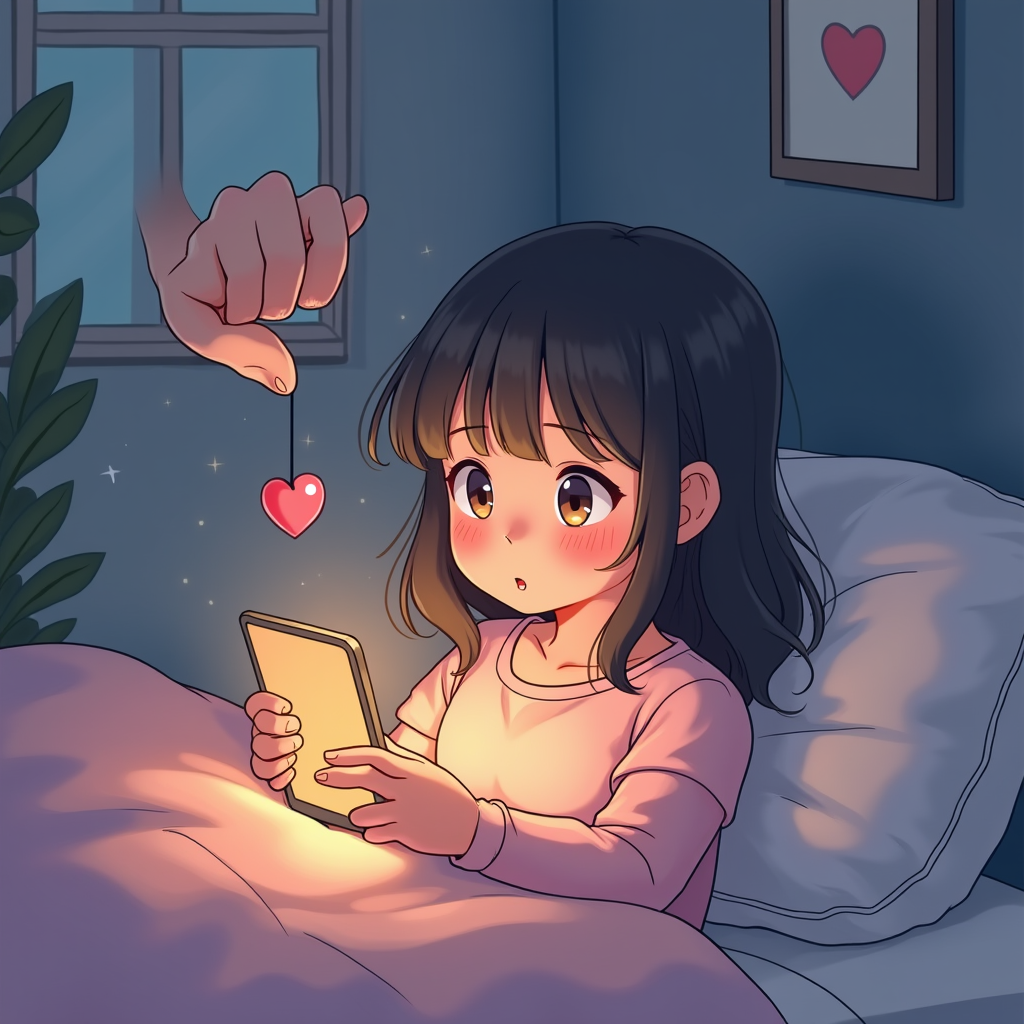
Along the way she met a “Ms. Chan,” who claimed to be a part-time compensated dating girl and quickly sent over revealing photos and a price list. Ms. Tsui had no intention of paying for sex, but she felt a pull to “find innocence in the mud” — she wanted to become this person’s confidante, to comfort and “save” her as someone who’d been there herself.
That “kind” impulse turned out to be exactly the opening the scammer needed. The two agreed to meet at a convenience store, but Ms. Chan stood her up and passed Ms. Tsui’s phone number to a man claiming to be “the triad member who drove her there.” Using the excuse of “making sure the girl is safe and verifying you’re not a cop,” he tricked Ms. Tsui into handing over a photo of her HKID and her employment details.
Then the mask came off: the man demanded up to HK$1 million as a “meeting deposit.” After Ms. Tsui said she was just an unemployed student, the amount kept “slashing” — from 1 million down to 500,000, then 20,000, and finally, “the triad boss is willing to front 15,000, so you only need to pay 5,000.”
Ms. Tsui, who couldn’t even come up with 5,000, soon received several profanity-laced “triad threat videos” claiming they already had her HKID details and would send a thug to check on her family. (The program later pointed out these videos were actually recycled stock clips the scammers reused.) In the end, terrified her family would be harassed, Ms. Tsui rushed straight into the Mong Kok police station to file a report — and only then did the scammers hang up and delete their accounts.
👩💼 The Advisor’s Take
On the surface, this looks like a straightforward “dating scam.” But if you treat it as an ordinary scam, you’ll miss the most important layer — why did a kind-hearted girl who was studying, and even hoping to “help someone,” slide into it step by step? There are actually several psychological mechanisms at play, and every Hongkonger should be on guard.
① The Savior Complex: People Who Want to Save Others Are the Easiest to Exploit
The whole thing started with a very particular idea: Ms. Tsui wasn’t looking to take advantage of anyone. She wanted to “find innocence in the mud” and “save” the other person.
In psychology, this mindset is called the Savior Complex (or White Knight Syndrome) — a person who gains self-worth and a sense of purpose through “rescuing others.” Often, the root of this complex is an emptiness within: you yourself long to be accepted and needed, so you project that longing onto “saving” someone else.
The problem is, a person who genuinely needs saving won’t show up on a social platform with “revealing photos + a price list.” The moment you decide you “want to save someone,” you’ve already lowered your defenses and even started rationalizing the scammer’s behavior for them — “she just went astray, I can help her.” Scammers love this kind of “self-persuading” person, because they don’t even have to deceive you — you’re already deceiving yourself.
② Loneliness and Depression: An Emotional Gap Is a Scammer’s “Front-Door Key”
Two keywords stand out in Ms. Tsui’s background: depression and a lack of friends.
Put those two together and you get exactly the “emotional gap” scammers crave most. Psychological research shows that loneliness makes our brains especially sensitive to signals of “being accepted,” while at the same time sharply lowering our alertness to “danger.” The lonelier you are, the easier it is to misread “someone reached out to chat” as “someone genuinely wants to know me.”
So understand this: the first step in these scams is never about taking your money — it’s about “filling your loneliness.” The scammer pretends to care, to understand, to be going through the same pain as you, making you feel like you’re finally “being seen.” Once that feeling of “being needed” is established, you’ll willingly walk toward them — and only then does the “money grab” begin.
③ Four-Step Manipulation: From a “Small Ask” to “Fear That Locks You In”
Looking back at the whole process, it’s a very standard psychological manipulation flow that can be broken down into four steps:
- Step 1: “Build trust” — they play the victim, feign sincerity, and get you to lower your guard.
- Step 2: “The foot-in-the-door technique” (psychologists call it Foot-in-the-door — first getting a foot inside) — they won’t ask you for 1 million right away. Instead, they first ask you to “send your HKID to verify your identity.” This request sounds “reasonable,” even like it’s “for your own protection,” so you naturally comply. Once you’ve made that first small concession, the demands keep growing, because your subconscious wants to “stay consistent.”
- Step 3: “Exploit sunk cost” — once you’ve handed over your HKID, it’s very hard to walk away. You’re afraid “everything I’ve already given will be wasted,” afraid “they’re holding something of mine.” That “I’ve come this far, might as well see it through” mindset is exactly what the manipulator wants.
- Step 4: “Fear that locks you in” — they use triad videos to create fear, so you won’t dare report it or tell anyone. Fear is the final lock: they want you to feel that “speaking up will cause trouble,” so you’ll quietly comply and stay silent.
The detail most worth noting is the “slashing from 1 million down to 5,000.” Many people assume the scammer was “going soft” or “didn’t really care” — but it’s actually a very clever manipulation trick: when an astronomical figure suddenly becomes “just 5,000,” you think, “it’s so cheap, might as well just pay and be done with it.” But the truth is, they never cared about that 5,000 — what they wanted was the act of you “submitting.” The moment you cave, you’ve proven the manipulation works, and more demands will only follow.
💡 What You Can Learn
So how can ordinary people protect themselves? Here are three principles that hold true in any situation.
First, recognize the red flags. Being asked for your HKID, bank details, or a deposit before ever meeting is always a red flag — no exceptions. A real friend will never ask you for money, your HKID, or a guarantee deposit. And there are two hidden red flags to watch: when the conversation quickly turns to “sex” or “money,” and when someone “stands you up” and a “second person” (a triad member, a manager, a guarantor) immediately pops up to talk to you — these are all part of the playbook.
Second, any relationship takes time. Wanting to make friends when you’re lonely is a perfectly normal need, but remember this: real relationships are built over time. Nobody “just happens” to need you to prove something or hand something over right away. If someone is in a rush for you to “prove your sincerity,” that in itself is a warning sign.
Third, when something feels off, stop. Ms. Tsui did one thing right in the end — she rushed into a police station and filed a report, which is what forced the scammers to back off. If you find yourself in a similar situation, don’t worry about feeling awkward or being laughed at. Stop responding immediately, talk to someone you trust, and report it to the police right away if needed. You’re not stupid — you were just lonely, and someone exploited your kindness. It’s not your fault, but you do need to know how to protect yourself.
At the end of the day, wanting to help others and wanting to be loved aren’t wrong. But before you open the door to your heart, remember to leave a gate for yourself. If you’re going through loneliness, or you suspect you’re being manipulated, talk to a love advisor at LoveWise — we’re always here to talk…💕
📰 事件背景
無綫節目《東張西望》早前接獲一名 23 歲女學生徐小姐求助,披露一單「網上交友」騙案。受抑鬱症困擾嘅徐小姐坦言,身邊同年紀嘅朋友唔多,渴望社交嘅佢,7 月中旬喺社交平台搜尋「香港交友」識人。
期間佢認識咗一名自稱兼職援交嘅「陳小姐」,對方隨即傳嚟性感相片同價目表。徐小姐雖然無意進行性交易,但心入面有股「從污泥中發掘純情」嘅想法,希望可以同對方做知心好友,以過來人嘅身份去安慰、感化佢。
點知呢個「善良」嘅念頭,正正成為咗騙徒落手嘅入口。兩人約定喺便利店見面,陳小姐突然失約,仲將徐小姐嘅電話轉交畀一名自稱「載佢出嚟嘅黑幫男子」。對方以「確保女孩安全、核實你唔係警察」為理由,騙取咗徐小姐嘅身份證相片同職業資料。
跟住就露出狐狸尾巴:對方要求徐小姐支付高達 100 萬元嘅「見面保證金」。徐小姐表示自己只係無業學生後,金額竟然一路「狂削」—由 100 萬減到 50 萬、2 萬,最後話「黑幫老大肯代墊 1.5 萬,你只需俾 5000 蚊就得」。
連 5000 蚊都俾唔出嘅徐小姐,隨即收到多段粗口「黑幫恐嚇影片」,話已經掌握佢身份證資料、會派小弟查佢家人(節目後來指出,呢啲影片其實係騙徒重用嘅舊罐頭片段)。最終徐小姐驚家人受騷擾,直接衝入旺角警署報案,騙徒先至切線、刪除帳號。
👩💼 顧問分析
呢單新聞,表面係一宗「交友騙案」,但係如果當佢係普通騙案睇,就會睇漏咗最重要嗰層—點解一個讀緊書、甚至懷住「想幫人」嘅好心女仔,會一步步墮入去?背後其實有幾個心理機制,值得每個香港人警惕。
① 「拯救者情結」:想救人嘅人,最易被利用
徐小姐成件事嘅起點,係一個好特別嘅念頭:佢唔係想佔便宜,而係想「從污泥中發掘純情」、想感化對方。
心理學入面,呢種心態叫「拯救者情結」(Savior Complex/White Knight Syndrome)—一個人透過「拯救他人」嚟獲得自我價值同存在感。好多時,呢種情結嘅根源,正正係自己內心嘅空洞:自己都渴望被接納、被需要,於是將呢份渴望投射到「拯救他人」身上。
問題係:真正需要被拯救嘅人,係唔會喺社交平台用「性感相+價目表」嚟出現。當你「想救人」嗰一刻,你其實已經放低咗自己嘅防禦,仲自動幫騙徒合理化咗佢嘅行為—「佢只係誤入歧途,我可以幫到佢」。騙徒最鍾意嘅,就係呢種「自我說服」嘅人,因為你根本唔使佢呃,你自己已經呃緊自己。
② 孤獨同抑鬱:情感缺口,就係騙徒嘅「入門匙」
徐小姐背景有兩個關鍵字:抑鬱症、朋友唔多。
呢兩樣嘢加埋,正正係騙徒最渴求嘅「情感缺口」。心理學研究指出,孤獨感會令我哋嘅大腦對「被接納」嘅訊號特別敏感,同時大大降低對「危險」嘅警覺。你越寂寞,就越容易將「有人搵你傾偈」誤讀成「有人真心想識你」。
所以你要明白:呢類騙局嘅第一步,從來都唔係呃錢,而係「填補孤獨」。騙徒會先扮關心、扮理解、扮同你同病相憐,令你覺得自己終於「被看見」。當呢種「被需要」嘅感覺建立咗,你先至會心甘情願咁行埋去,然後先至輪到「呃錢」。
③ 四步操控:由「細要求」到「恐嚇鎖死」
回望成個過程,其實係一套好標準嘅心理操控流程,可以拆做四步:
- 第一步「建立信任」—扮可憐、扮真誠,令你卸下戒心。
- 第二步「漸進式要求」(心理學叫 Foot-in-the-door,先踩隻腳入嚟)—佢唔會一嚟就問你攞 100 萬,而係先要你「俾身份證核實身份」。呢個要求聽落「合理」、甚至係「為咗保護你」,於是你好自然就照做。一旦你做咗第一個小讓步,之後嘅要求就會越嚟越大,因為你嘅潛意識會想「保持一致」。
- 第三步「利用沉沒成本」—當你已經交出咗身份證,你就好難抽身。因為你驚「之前嘅付出白費」,驚「對方手上有我嘅嘢」。呢種「已經行咗咁遠,不如行埋佢」嘅心態,正正係操控者最想見到嘅。
- 第四步「恐嚇鎖死」—用黑幫影片製造恐懼,令你唔敢報警、唔敢同人講。恐懼係最後一把鎖,佢要你覺得「講出去會出事」,咁你就會乖乖就範、保持沉默。
最值得留意嘅,係「由 100 萬狂削到 5000 蚊」呢一步。好多人會以為係騙徒「心軟」或者「冇所謂」,其實呢個係一個好高明嘅操控技巧:當一個天文數字突然變成「區區 5000 蚊」,你就會覺得「咁平,不如俾咗佢算」。但係真相係—佢根本唔志在嗰 5000 蚊,佢志在令你「屈服」呢個動作本身。你一屈服,就證明咗呢套操控有效,之後只會有更多要求。
💡 普通人啟示
咁普通人可以點自保?有三個原則,任何情況下都啱用。
第一,認清「紅旗」。 未見面就要身份證、銀行資料、保證金,一定係紅旗,冇例外。真朋友係唔會問你攞錢、攞身份證、攞保證金。仲有兩個隱藏紅旗:話題好快就轉去「性」或者「金錢」;同埋對方「失約」之後,即刻有個「第二個人」(黑幫、經理、擔保人)彈出嚟同你傾—呢啲都係套路。
第二,任何關係都要時間。 孤獨想識朋友,係好正常嘅需要,但記住一句:真正嘅關係係用時間建立嘅,唔會一嚟就「咁啱」要你證明啲乜、要你交啲乜。如果對方急住要你「證明誠意」,本身已經係警號。
第三,覺得唔對路,就要停低。 徐小姐最後做啱咗一件事—衝入警署報案,先至逼到騙徒收手。遇到同類情況,唔好怕尷尷尬尬、唔好怕俾人笑,第一時間停低所有回應,同你信任嘅人講,必要時即刻報警。你唔係蠢,你只係喺孤獨嘅時候,俾人利用咗你嘅善良。呢啲唔係你嘅錯,但你要識保護自己。
講到尾,想幫人、想被愛,本身冇錯。但係喺打開心門之前,都要記得幫自己留一道閘。如果你正喺度經歷孤獨、或者懷疑自己係咪俾人操控緊,搵 LoveWise 嘅愛情顧問傾下,我哋隨時都喺度陪你傾…💕